Press Releases

Press releases: 13. October 2026

Use an electricity tariff by the minute

When is the most cost-effective time to use the washing machine or tumble dryer? How high is your household’s current energy consumption? More and more consumers are asking these questions – transparency in energy consumption is in demand. So-called smart meters, intelligent consumption meters, provide precisely this transparency and help to use energy more efficiently at home. They are therefore an important building block of the energy transition and enable the use of dynamic energy tariffs.

Smart meters, i.e. intelligent metering systems, have two components: a digital electricity meter and a communication module, the so-called smart meter gateway. The latter transmits the consumption values determined by the metering system to the metering point operator in encrypted form.

Optimized energy consumption

In households, a “Home Energy Management System” (HEMS) is required to control and optimize energy consumption. This coordinates the interaction between energy-consuming devices, photovoltaic system, energy storage system, heat pump and wallbox. The HEMS takes on the role of the higher-level system that monitors all existing components of the local energy solution, continuously records their data and controls the household’s own energy consumption, for example, in such a way that the energy generated by the home’s photovoltaic system can largely be used by the household itself.

Modern systems even take weather forecasts into account in order to create a forecast of the photovoltaic system’s yield. This allows energy consumption to be planned proactively and the devices in the home to be used via smart home control when the optimal energy conditions are present. Many electrical household appliances such as washing machines, tumble dryers or dishwashers are network-capable and can be integrated accordingly into such a smart home environment. This means their use can also be defined for the most cost-effective energy procurement.

Electrical household appliances are ready for smart meters

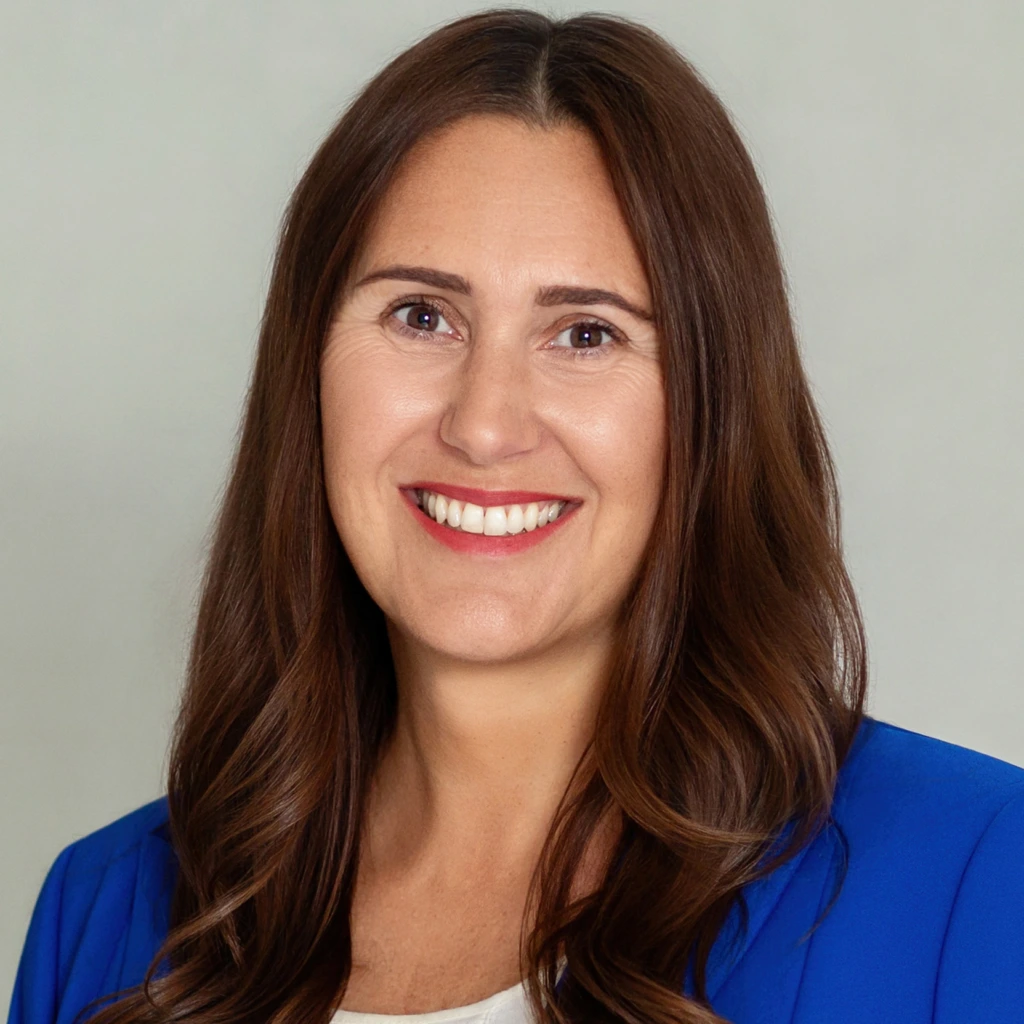
Carine Chardon

Carine Chardon Managing Director of GFU Consumer & Home Electronics

»We in the industry have been talking about connected household appliances and the Internet of Things for years. Now it is becoming clear that this development is arriving in everyday life: connectable appliances are increasingly becoming an integral part of modern households – and thus also relevant for integration into a HEMS.«

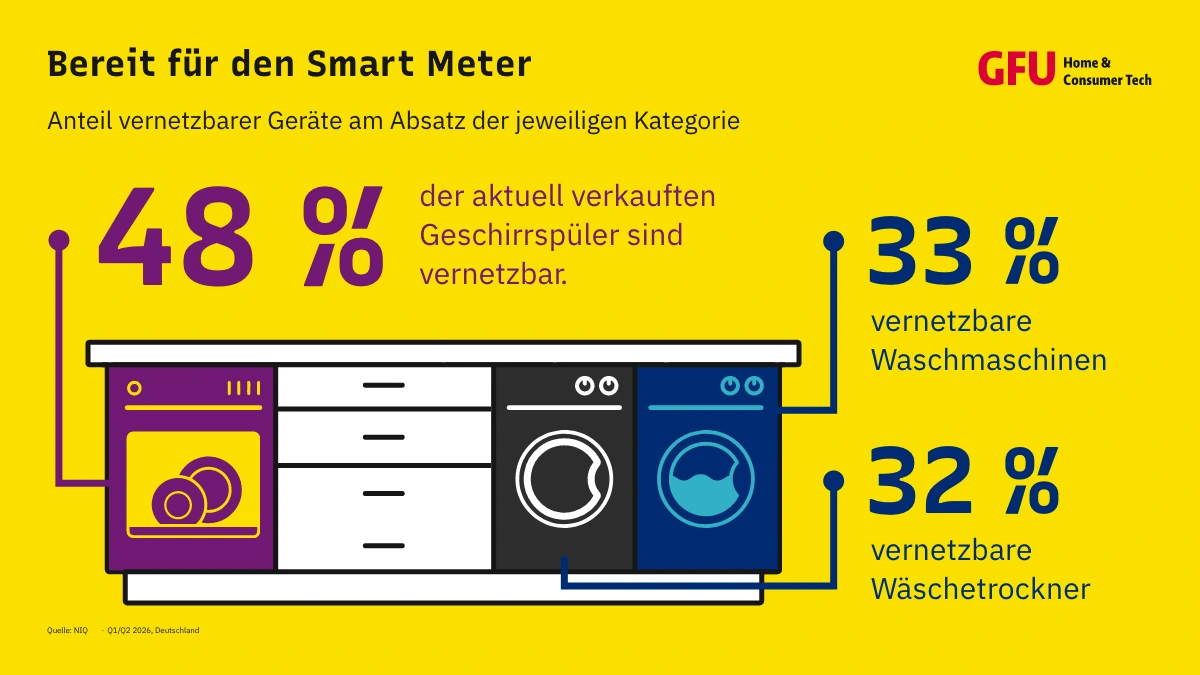
Current figures from GFU and its partner NIQ show an average share of 22 percent of connectable large electrical household appliances in the total number of units sold. Dishwashers currently have the largest share within their category of connectable appliances at 48 percent, followed by washing machines at 33 percent and tumble dryers at 32 percent

“With its product range, our industry is very well prepared for the use of smart meters and thus provides an important building block of the energy transition”, Chardon concludes.

Infografik zu vernetzbaren Waschmaschinen, Wäschetrocknern und Geschirrspülern in Deutschland

Smart meter rollout regulated by law

The smart meter rollout refers to the legally regulated, gradual installation of intelligent metering systems in German households and businesses. It is based on the Metering Point Operation Act (MsbG), which has required the replacement of old electricity meters with digital meters since 2017. The aim is digitalization as a prerequisite for the energy transition.

These objectives are to be achieved through the rollout of smart meters: transparency – with the smart meter, consumers can see exactly when and how much energy they consume from the grid. Dynamic energy tariffs, which are based on electricity exchange prices, can only be used with a smart meter. Keyword: grid stability: To relieve the burden on the electricity grids, grid operators can coordinate and optimize consumption and generation, thereby easing the load on the power grid. And via the gateway, energy consumers, i.e. devices such as heat pumps and wallboxes, can be controlled remotely. This allows for reduced grid fees.

The Federal Network Agency regularly surveys the rate of households equipped with a smart meter. Nationwide, according to BNetzA data, 5.9 percent of households have so far been equipped with a smart meter – at the end of September 2025, the figure was 3.8 percent. According to the target, at least 50% of households in Germany must be equipped with a digital electricity meter by the end of 2028, at least 95% by the end of 2030, and all households by 2032 at the latest. [1]

[1] https://www.bundesnetzagentur.de/SharedDocs/Pressemitteilungen/DE/2026/20260921_Rollout.html

Source: NIQ | Q1/Q2 2026, Germany

Your Direct Line to GFU

Press Contact & Media Relations Manager

Whether you are requesting an interview, looking for background information, or conducting research, the GFU press team is here to support you quickly and efficiently.

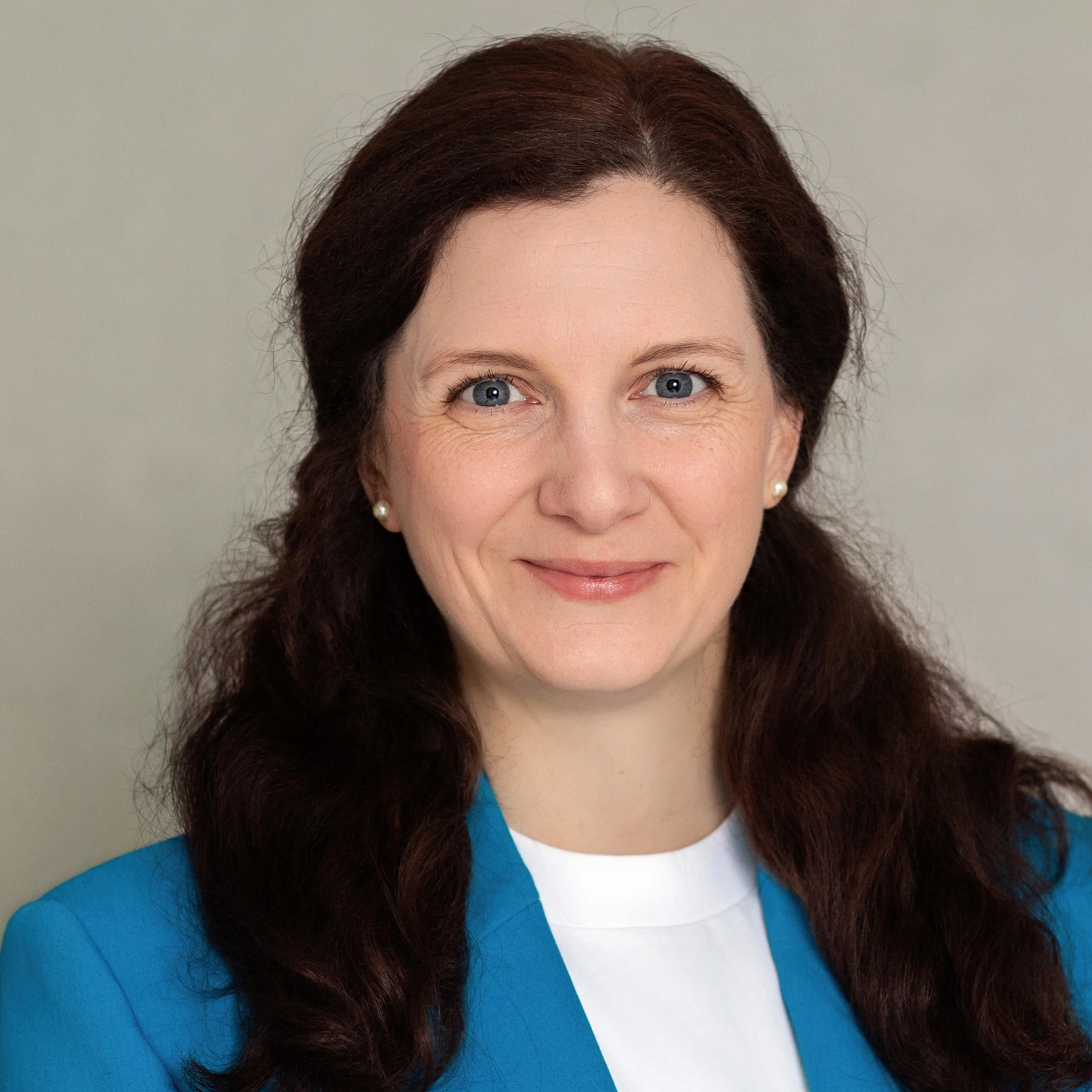
Portrait von Marie-Charlotte von Heyking, Pressesprecherin von GFU
Marie-Charlotte von Heyking marie.vonheyking@gfu.de

GFU Press Distribution List — Stay Informed Earlier, Report Better.

As an accredited media partner, you will receive GFU press releases, studies, and image materials on Home & Consumer Tech directly in your inbox — concise, relevant, and ready to use.