
Press Releases
Press Release: 25. June 2026
High-Tech Instead of a Nursing Home
How intelligent assistants make aging safer
Frankfurt am Main, June 25, 2026 – Demographic change is creating a large target group for intelligent smart home technologies that can enable older people to live independently for longer. Ambient Assisted Living (AAL) comprises age-appropriate assistance systems that, as technical helpers in the home, provide a greater sense of security. This benefits not only people who find it difficult to manage everyday life independently, but also relatives and care staff. It is a growth market that has been expanding steadily for years and is no longer aimed only at an affluent and tech-savvy clientele. Mordor Intelligence estimates the global AAL market at more than USD 13 billion in 2026. By 2035, it is expected to rise by more than 20 percent to over USD 35 billion. Market Research Future even expects a market volume of more than USD 60 billion in 2036.
Familiar and new technology
Sensors worn on the body, for example in smart watches, which measure blood pressure or other vital signs and can also transmit them directly to the doctor (telemonitoring), are already well established. However, the range of products and functions is more diverse, extending from security and emergency calls to voice control and home automation, as well as reminder services. Everything can be used without any prior technical or medical knowledge and can be easily set up in the household of the person concerned.
Smart home makes life easier and increases the sense of security
Classic smart home products, such as motion detectors, can also be an important aid. Instead of searching for the light switch in the dark, the lighting, for example in the hallway, switches itself on and off automatically. This offers two advantages: reducing the risk of tripping and, in addition, the motion detector helps save energy. Smart plugs can be automated according to personal preferences and needs. Electrical devices can thus be switched on and off automatically at an exact time.
Contacts on windows and doors indicate, for example, whether they are all closed when leaving the apartment. They also help save energy via notifications or, together with automated radiator thermostats, reduce the room temperature when a window is open. Automated roller shutters also make life easier.
With outdoor cameras, residents can use images on their smartphone or tablet to see who is at the door. They provide a greater sense of security and an overview without having to go to the front door or apartment door. In addition, smart mailboxes also save unnecessary trips.
A smart home system with voice assistants provides further relief for older people and people with disabilities. On voice command, all connected smart home devices – from the smart plug and lighting to the roller shutters and heating thermostats – can be conveniently controlled, for example via a mobile phone.
Help in emergencies and in daily routines
If an emergency occurs, emergency wristbands, special emergency watches and smart watches can provide rapid assistance. They establish a direct connection to emergency services or to relatives. This is particularly practical when the phone is not within reach, as they are worn on the wrist and are therefore quickly accessible. Often, they connect to the home via video or phone call to clarify the emergency more precisely. Other smart assistants for emergencies include special sensors. Installed in the flooring, they automatically detect if residents fall and can organize help. They can also detect deviations from the normal daily routine and likewise call for help automatically.
However, this topic also involves simple things such as reminders for appointments: whether taking medication on time or appointments with the doctor, care staff or tradespeople. There is also support for household cleaning: self-cleaning robot vacuum cleaners vacuum and mop autonomously in a single operation. Their docking stations require only minimal cleaning and maintenance.
Great market potential
Rising life expectancy and low birth rates are leading to an aging society. According to the Federal Government’s Demography Portal, people aged 65 and over, at around 19 million, are the second-largest population group after 40- to 59-year-olds, who number more than 22 million. In 2035, one in four people will be over 67 years old; by 2050, around one in three Germans will be over 60. This development is not limited to Germany; comparable estimates also exist for other European countries.
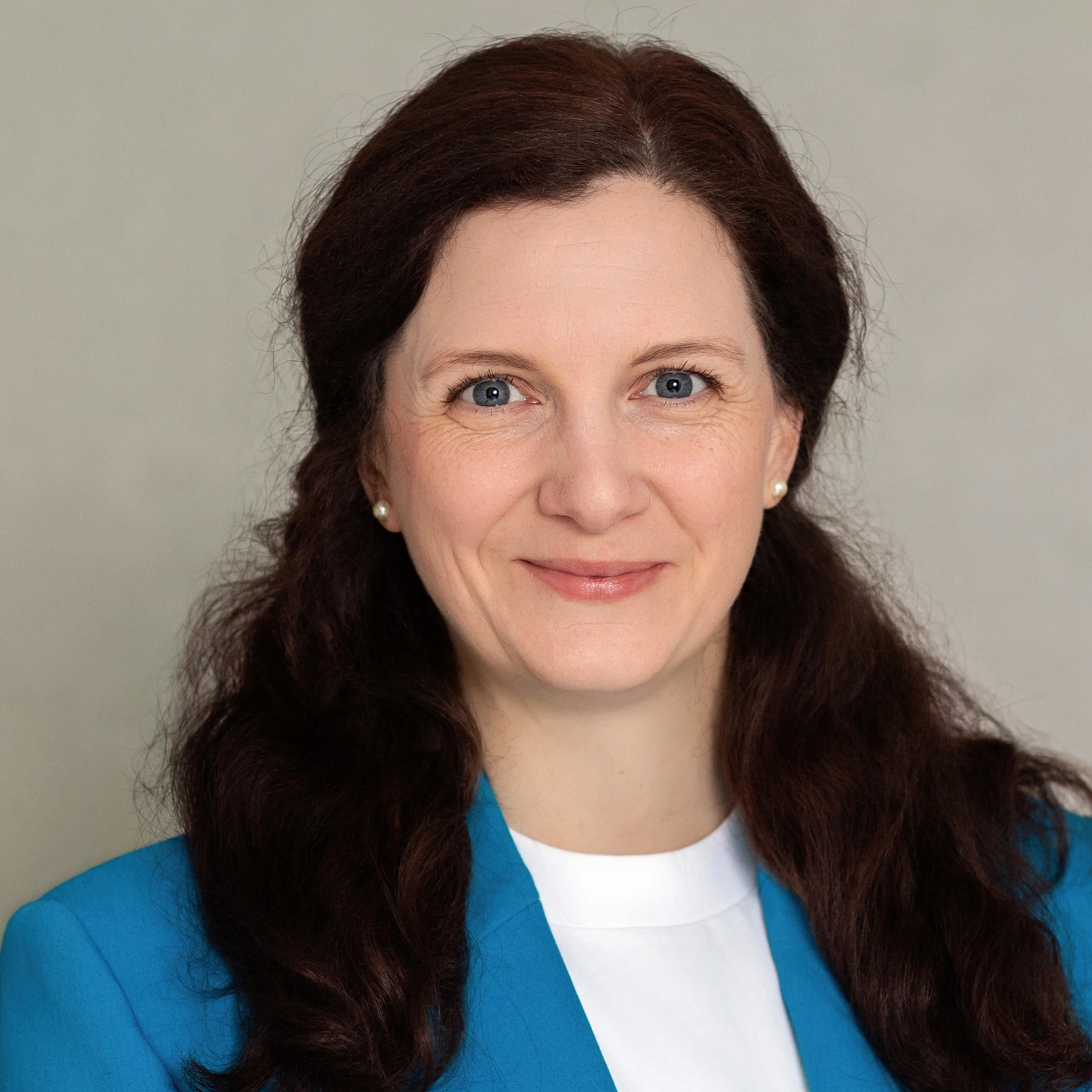
Carine Chardon Managing Director of GFU Consumer & Home Electronics GmbH
“Products that help people manage everyday life independently show enormous market potential due to demographic developments. Our industry offers a wide selection of technical helpers that support older people or people with limitations in preserving their independence for as long as possible and making life more comfortable and safer.”